Dream About War: Conflict, Pressure, and the Mind Under Siege
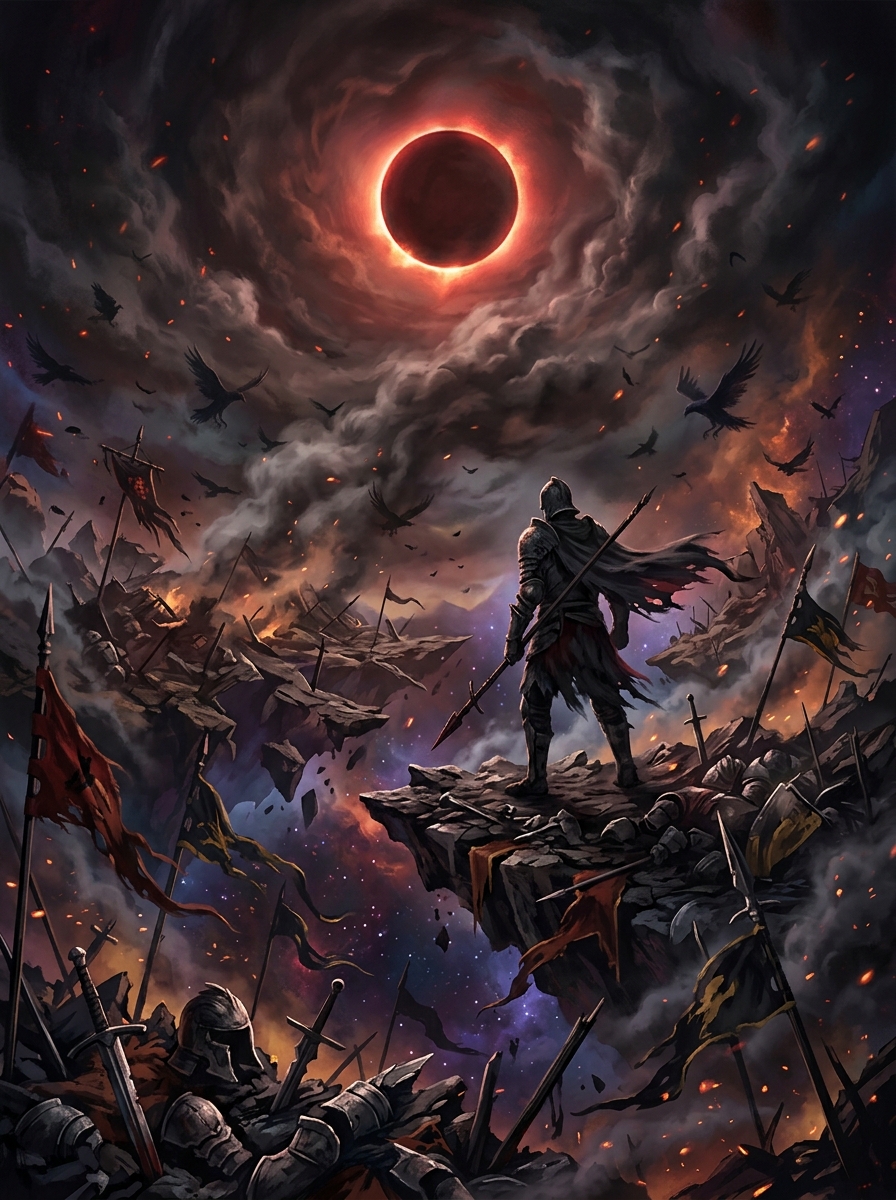
The core dynamic: war dreams stage conflict that has no language
A dream about war does not predict literal combat. It reveals a psyche under siege—competing loyalties, chronic stress, suppressed anger, or a sense that life has grown too adversarial for ordinary negotiation. The dream’s force lies in scale: war is not a quarrel; it is total mobilization of will, fear, and survival instinct. In dream logic, that totality is the point.
When people wake shaken from a war dream, they often assume it is “about” conflict in the abstract. That is true but too vague to be useful. The precise question is: what in waking life has escalated beyond discussion? A relationship, a job, a family pattern, an identity struggle, even an internal moral debate can become dream-ized as battle when the nervous system experiences no safe exit. The psyche chooses war because everyday symbols can no longer carry the pressure.
If you want a companion lens for how we read symbolic material—without flattening the image into a one-size-fits-all omen—the editorial approach at Aurora Arcana explains why we treat dream imagery as process, not prophecy.
The psychology of war dreams: why the unconscious chooses combat
The unconscious reaches for war imagery when ordinary symbols are no longer strong enough to carry the pressure. A disagreement becomes artillery. Deadline stress becomes invasion. Shame becomes occupation. In Jungian terms, the dream stages the ego’s confrontation with autonomous forces—anger, fear, grief, ambition, or an unlived self pushed into insurgency. If your waking self insists “I’m fine,” the dream may answer with a city under attack. If you keep minimizing resentment, the dream may show armies crossing a border.
When the enemy is external
Sometimes the dream responds to real-world pressure: a hostile workplace, a volatile household, a legal dispute, or an environment that rewards aggression. The dream does not exaggerate so much as translate. A colleague who undermines you becomes an invading army because that is how the body experiences chronic threat—not as a concept, but as siege. In those cases, the dream asks whether you have correctly named what is hostile. People often dream of war when they have been calling an oppressive situation “normal.” The psyche refuses euphemism; it pictures the stakes plainly.
When the enemy is internal
Other war dreams are inwardly polarized. One part wants rest, another demands achievement; one part longs for intimacy, another anticipates betrayal; one part craves change, another clings to familiar suffering. Dream combat reveals that these parts have stopped cooperating. If you are shooting from a distance, the dream may show detachment from your own feelings. If you are trapped in a bunker, you may be emotionally sealed off. If you are both soldier and civilian, the dream exposes the strain of living with a split identity—the competent public self versus the exhausted private one. The point is not that you are broken; it is that your inner government is divided.
The details that change the meaning
Not all war dreams mean the same thing. The form of the conflict narrows the interpretation with surprising accuracy. A battlefield suggests direct confrontation with an issue you can no longer avoid. A siege implies prolonged, external pressure that is hard to escape. Guerrilla warfare points to covert tension, mistrust, and small acts of sabotage rather than open hostilities. A civil war indicates divided allegiance within a family, a community, or the self. Nuclear war belongs to annihilating stress—a sense that one mistake, one revelation, or one emotional detonation could change everything.
Weapons, uniforms, and the mood of the dream
If the dream includes weapons, ask what kind of agency is being expressed. A sword carries close, personal, archaic connotations; a gun is detached, instantaneous, modern. Uniforms suggest enforced identity, collective pressure, or the loss of private selfhood. The atmosphere matters as much as the action. A war dream with no blood may still be intense if it is cold, gray, and procedural—that indicates emotional dissociation: conflict without feeling. A dream full of fire and shouting may be closer to raw anger or panic. A strangely calm dream under bombardment often points to numbness, not peace.
Victory, defeat, and escape
Winning a war does not always mean resolution. Sometimes “victory” reflects defenses so strong that nothing can reach you. Other times defeat is liberating because the old structure of control can finally collapse. Escaping the war zone signals a wish for relief, but it can also indicate avoidance—leaving the problem untouched while the psyche keeps generating alarms. War dreams are more often diagnostic than prophetic. They tell you the emotional climate of your life, not a fixed future. For a deeper discussion of how we approach diagnostic symbolism without falling into fortune-telling, see how Aurora Arcana reads images.
Through a symbolic lens: Mars, Aries, and tarot echoes
Astrologically, war belongs to Mars: assertion, conflict, heat, courage, and the impulse to cut through obstruction. When a dream is saturated with battle energy, Mars becomes a useful symbolic key even if you never calculate a chart. The question is whether Mars is expressed cleanly as decisive action or distorted into rage, defensiveness, or burnout. Aries adds another layer: initiation, self-definition, the right to exist without apology. A war dream with a heroic or impulsive quality may reflect Aries-like themes of assertion and first moves; aggression that is chaotic may show Aries untethered from wisdom—action without strategy.
Tarot images that sharpen the meaning
In tarot, The Tower is the clearest echo of warlike dream imagery when the dream involves explosion, collapse, or the end of a false order. It speaks to structures that cannot hold. The Five of Wands shows competition, friction, and multiple wills colliding—less apocalypse than contention. The Seven of Wands suggests defense: holding your ground while pressure rises. The Chariot can appear in war dreams when the issue is disciplined force, self-command, and the attempt to steer opposing energies toward one destination. The card names the quality of the struggle. Five of Wands is not a battlefield; it is a clash of agendas. The Tower is not an argument; it is the moment the argument becomes untenable. Using tarot as a symbolic language can deepen the reading, as long as the card is chosen for resonance rather than forced equivalence. Our philosophy of layered meaning—without flattening any symbol—is detailed in the editorial statement at Aurora Arcana.
What to do with the dream: listen for the conflict it refuses to soften
A dream about war asks for honesty before interpretation. Not about warfare in the literal sense, but about where your life has become militarized. Are you constantly bracing? Are you calling anxiety “productivity”? Are you treating a relationship like territory? Are you fighting a version of yourself that only wants dignity, rest, or change? The dream’s value is that it removes cosmetic language.
If the dream repeats, intensifies, or arrives during a period of major transition, treat it as meaningful psychic weather. Repeated war dreams often appear when a person is living through a split between what they present and what they can no longer suppress. The dream is the pressure gauge. In love, a war dream may surface when you are silently resenting a partner instead of voicing a need. In work, it may appear when you feel conscripted into a role that drains you. In family, it can signal loyalties at war—wanting closeness but needing boundaries. In each case, the dream identifies the battlefield. Once you know that, the task changes. You are no longer trying to survive an unnamed siege; you are deciding what, exactly, deserves your allegiance.
For readers who want a more expansive frame on symbolic interpretation—one that treats dreams as maps of inner life rather than predictors of events—our approach at Aurora Arcana is built on the idea that images reveal process, not slogans. The best reading of a war dream is usually not “something bad will happen,” but “something in me is already fighting for its life.”
Related
- Dream About a Storm: Turbulence, Truth, and the Weather of the Psyche
- Dream About a Car Crash: What Your Psyche Is Trying to Say
- Dream About Driving Off a Cliff: When Control Ends at the Edge
- Dream About No Signal: When the World Goes Quiet
- Dream About an Earthquake: When the Ground in You Starts Moving
Comments
Loading comments…